Detroit Beat Guide To Hard Trenches Type Production
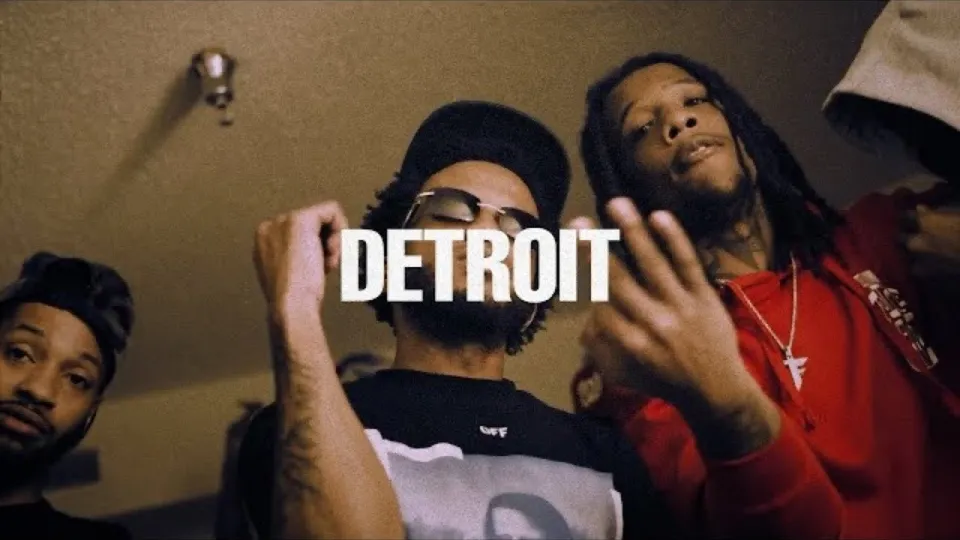
Video: [FREE] Detroit Type Beat - "Trenches"
Want articles like this for your own video to promote it on YouTube and Google? Order them through the Telegram bot @sat_sit_bot. It writes articles around your video, embeds the video and publishes them on popular niche websites (no ads). Your first 50 articles are free.
· based on the channel Damerunitup
A Detroit beat is a dark, aggressive rap instrumental built on hard-hitting 808 bass, sparse minor-key melodies and fast triplet hi-hats, usually played between 140 and 160 BPM. The style grew out of Detroit rap and street-level Michigan production, and it now lives mostly on YouTube as "type beats" — instrumentals tagged by city and mood so artists can find a sound fast. "Trenches" by Damerunitup is one of those free Detroit type beats: you can grab it through the buy-one-get-one-free beat store link, which also unlocks the paid license needed for streaming release.
What Defines A Detroit Beat
The core of the Detroit sound is contrast: a cold, minimal top layer over a low end that feels like it is pushing through the floor. Producers keep the melodic elements thin — a single piano line, a detuned bell, a filtered vocal chop — and let the drums and bass carry the aggression. That is why the instrumentals work for punchline-heavy rap and drill-style flows alike.
Key ingredients you hear in almost every Detroit type beat:
- A minor or harmonic minor melodic loop, often two to four bars long and repeated with small variations.
- A sliding 808 bass that follows the root notes of the melody and bends between them.
- Hard, dry kicks with a short tail, plus snares or claps that sit slightly behind the grid.
- Triplet hi-hat rolls that create forward motion even when the tempo feels slow.
- Very little reverb on drums, so the mix stays tight and street-level rather than lush.
Detroit drill type beats push the same template harder: more distortion on the 808, more aggressive hat patterns, and melodies that sound almost like alarms or sirens.
Tempo, Key And Drum Programming
Tempo is the first thing to get right when you produce or rap over a Detroit beat. Most tracks sit between 140 and 160 BPM, but the drums are usually written so the listener feels a halftime pulse — the kick and snare land half as often as the hats, which makes a 150 BPM beat feel like 75 BPM to the vocalist.
A practical starting point for programming:
- Set the project to 150 BPM and build a two-bar drum loop.
- Place kicks on the downbeats and one off-beat syncopation per bar.
- Put the snare or clap on beat three of each bar for a halftime feel.
- Layer 16th-note and triplet hi-hats, then remove notes so the pattern breathes.
- Tune the 808 to the root of the melody and add a short glide between notes.
Keys matter too. Detroit beats lean on minor tonalities — natural minor, harmonic minor and occasionally Phrygian for an exotic edge. If a melody sounds too happy, flattening the third and sixth scale degrees usually fixes it immediately.
Why Listeners Slow These Beats Down
One of the most repeated reactions to hard Detroit type beats is that they sound even better at reduced speed. Slowing a beat to 0.75x or 0.5x lowers the pitch and stretches the groove, which exposes the bounce of the 808 and makes the space between drum hits much wider. For a rapper practicing flow, that is useful: the pocket becomes obvious, and it is easier to hear where a bar starts and ends.
There is a production lesson in this too. If a beat still knocks when it is slowed down, the arrangement is solid — the drums and bass are doing the work, not the effects. If it falls apart at half speed, the mix is probably relying on energy from the hats and melody instead of a strong rhythmic foundation.
Using A Free Detroit Type Beat Legally
Free type beats are demos, not giveaways of the master. The standard model on YouTube is simple: the producer lets you download the tagged or untagged file for practice and non-commercial use, and sells licenses for anything that goes to streaming platforms.
A typical license ladder looks like this:
- Free download — non-profit use only, usually with a required producer credit.
- Basic lease — distributed on streaming services, capped streams and no monetized video rights.
- Premium or unlimited lease — higher caps, radio and video rights, still non-exclusive.
- Exclusive rights — the beat is removed from sale and only one artist can use it.
Uploading a song built on a free beat to Spotify or Apple Music without a license is the fastest route to a copyright claim and lost revenue. Buying a license also means you keep the royalties your track earns, which is the whole point of releasing it in the first place.
Common Questions From Artists And Listeners
Most confusion around Detroit beats comes from three places: how to get the file, how to credit the producer, and whether a type beat can be used for a real release.
On getting the file, the usual path is the producer's beat store rather than a direct download link in the video description. A store purchase gives you the untagged WAV or MP3 plus a license document, and bundle deals — like buy one get one free — are common.
On crediting, the standard format is "Prod. by [producer name]" in the title or description. Some licenses require it in the title itself, so read the terms before you upload.
On release use, the answer depends entirely on the license tier you buy. A lease covers streaming distribution up to a stream cap; an exclusive purchase removes the cap and takes the beat off the market. If you plan to monetize a video or press physical copies, check that the tier includes those rights.
Useful Links
- Buy the beat and claim the buy-one-get-one-free deal: https://bsta.rs/57l1i
- Producer's beat store: https://damerunitup.com/
- Producer's Instagram: https://www.instagram.com/damerunitup/
Final Thoughts On The Detroit Sound
A Detroit beat lives or dies on restraint: one strong melodic idea, a bass line that moves, and drums that hit without clutter. "Trenches" from Damerunitup is a clean example of that formula — free to try, licensed for release through the beat store, and flexible enough to work at full speed or slowed down. If you are an artist looking for a hard Detroit type beat to write to, start with the free download, test your flow, and then buy the license before anything goes public. Damerunitup built this one for exactly that workflow, and the buy-one-get-one-free offer makes it cheap to build a small catalog instead of a single track.
Key takeaways
- Detroit beat is a dark, aggressive rap instrumental style built on hard 808 bass, sparse melodies and fast triplet hi-hats.
- "Trenches" by Damerunitup is a free Detroit type beat published on YouTube in May 2022 with a buy-one-get-one-free license deal.
- Typical Detroit beat tempo sits around 140–160 BPM, often felt as halftime with double-time hats.
- Free downloads are for demos only; uploading to Spotify or Apple Music requires a paid license to avoid copyright claims.
- Many listeners slow these beats to 0.5x–0.75x, which exposes the groove and makes the pocket easier to ride.
Questions & answers
What exactly is a Detroit beat?
A Detroit beat is a rap instrumental style defined by hard 808 bass, sparse minor-key melodies and fast triplet hi-hats, usually between 140 and 160 BPM. It is closely related to Detroit drill and street rap, and producers release them on YouTube as city-tagged type beats so artists can find a matching sound quickly.
Can I release a song on a free Detroit type beat?
No, not safely. Free downloads are generally limited to practice and non-commercial use, and uploading to Spotify or Apple Music without a license typically triggers a copyright claim. You need at least a basic lease, which covers distribution up to a set stream cap, before you publish anything.
Why do people play these beats at 0.75x or 0.5x speed?
Slowing the beat lowers the pitch and widens the groove, which makes the 808 pattern and the space between drum hits easier to hear. Rappers use it to find the pocket and practice flow, and producers use it as a test: a strong arrangement still knocks at half speed.
What should I check before buying a beat license?
Check the stream cap, whether monetized videos and physical copies are included, and whether producer credit is required in the title or description. Also confirm whether the license is non-exclusive or exclusive, because an exclusive purchase removes the beat from sale and blocks other artists from using it.
Source: [FREE] Detroit Type Beat - "Trenches" · Markdown version